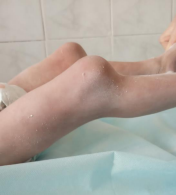
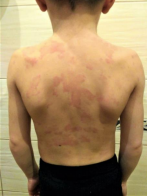
CINCA/NOMID syndrome belongs to the group of systemic autoinflammatory diseases (SAID), specifically cryopyrin-associated periodic syndromes (CAPS). Autoinflammatory diseases are a group of congenital disorders of the innate immune system (a category of primary immunodeficiencies) that lead to episodic or persistent systemic inflammatory reactions, often causing damage to the body’s own organs and systems.
Genetics and Pathogenesis
CINCA/NOMID is caused by mutations in the CIAS1 gene (cold-induced autoinflammatory syndrome), also known as NLRP3. These mutations lead to increased production of interleukin-1 beta (IL-1β), one of the most potent pro-inflammatory cytokines, resulting in systemic inflammation and multisystem damage.
- Inheritance pattern: Autosomal dominant
- Prevalence: Approximately 1 in 1,000,000 individuals
Clinical Manifestations
CINCA/NOMID has a severe and continuously progressive course. The first symptoms typically appear within the first days or weeks of life.
Main clinical features:
- Early symptom onset (first days or months of life)
- Premature birth (1/3 of cases)
- Persistent systemic inflammation (elevated ESR, CRP, leukocytosis, chronic anemia of inflammation)
- Urticarial-like rash (100% of patients) – non-itchy, migratory
- Arthralgia / arthritis
- Excessive bone growth
- Aseptic meningitis (almost all patients) → hydrocephalus, increased intracranial pressure
- Macrocephaly, short stature, thickened limbs
- Sensorineural hearing loss
- Optic disc edema → optic nerve atrophy and blindness
Additional Clinical Features
- Premature ossification of the patella and epiphyseal bone structures
- 40% of patients lack a genetically confirmed diagnosis despite clinical presentation
- Leukocytosis with left shift
- High ESR, CRP, and SAA levels
- Neutrophilic pleocytosis and protein elevation in cerebrospinal fluid (CSF)
- No evidence of infection
- Neutrophilic perivascular infiltrates in the skin
Fever is intermittent. The severity of skin rashes varies depending on disease activity. Joint and bone involvement also varies:
- ⅔ of patients experience transient arthralgia and swelling of large joints
- ⅓ of patients develop severe, disabling joint damage with excessive growth of epimetaphyseal cartilage (particularly in long bones), leading to joint deformities, contractures, and degenerative arthropathy
Central nervous system (CNS) involvement occurs in almost all patients due to chronic aseptic meningitis and leukocyte infiltration. Increased intracranial pressure leads to headaches, seizures, optic disc swelling, developmental delays, and spastic paralysis of the lower limbs.
Eye involvement occurs in 50% of patients, with posterior uveitis in 20% of cases. Optic nerve atrophy can result in blindness. Sensorineural hearing loss is also a possible complication.
Diagnosis
- Clinical presentation
- Laboratory markers of inflammation
- Genetic confirmation (although not always possible)
Treatment
The primary treatment involves interleukin-1 inhibitors, which can fully control the disease when administered in a timely manner. Patients can lead normal lives with appropriate therapy.
- Anakinra – a recombinant IL-1 receptor antagonist
- Canakinumab – a human monoclonal antibody targeting IL-1β
Dosage:
- Anakinra:
- Initial dose: 1–2 mg/kg/day subcutaneously
- If insufficient control, increase to 5–8 mg/kg/day
- Adult dose: 100 mg/day
- Long-term use may require dose escalation due to drug tolerance
- Canakinumab (used when anakinra is ineffective):
- Children: 2–4 mg/kg every 8 weeks (dose adjusted based on weight and age)
- Adults: 150 mg weekly, increased if necessary to 600 mg
- Maximum pediatric dose: 8 mg/kg
Timely initiation of IL-1 blockade significantly improves outcomes and allows patients to live a full life.ослих.