Can Osteomyelitis Be “Non-Infectious”? Yes, It Can!
Prolonged fever, “bacterial-like” blood tests, ineffective antibiotic therapy, and a relapsing course affecting multiple organ systems—these are the key characteristics of Chronic Non-Bacterial Osteomyelitis (CNO), a spontaneous systemic autoinflammatory disease that primarily affects children, with the skeletal system being the main “target.”
The development of the autoinflammatory process in CNO is explained by a malfunction in the innate immune system. Simply put, the immune system of patients with Chronic Recurrent Multifocal Osteomyelitis (CRMO) mistakenly “attacks” the bones, causing inflammation even in the absence of infection. The exact causes of CRMO remain poorly understood.
Epidemiology and Challenges in Diagnosis
The prevalence of CRMO in Ukraine is unknown, likely due to underdiagnosis. The disease presents with non-specific symptoms, often mimicking bone, skin, and joint infections. Laboratory blood tests frequently resemble bacterial infections, further complicating diagnosis.
Patients commonly experience fever lasting for several days or even weeks, and the disease tends to follow a relapsing-remitting course. Since CRMO is not caused by bacteria, antibiotics are ineffective, in contrast to targeted anti-inflammatory therapy.
Clinical Experience
Have you encountered CRMO in your medical practice? Or perhaps you have observed similar clinical presentations?
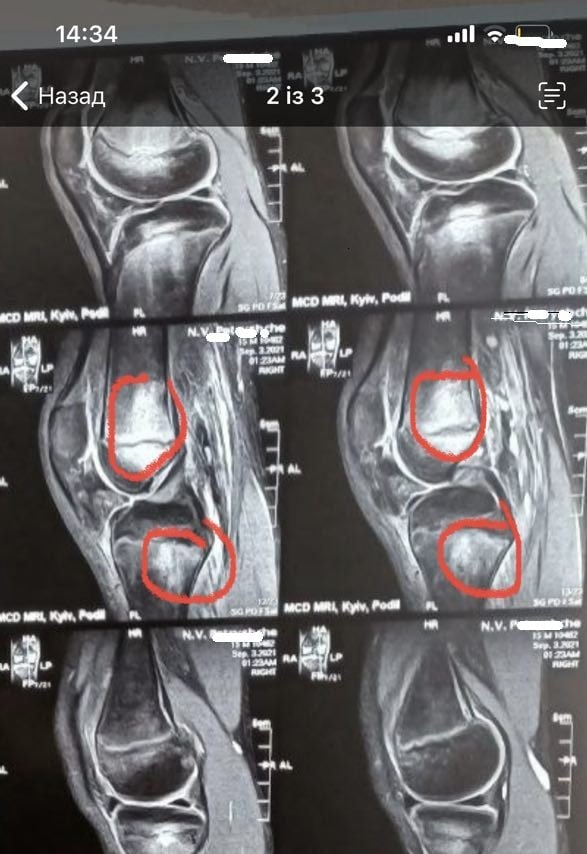
(Photo of acne in a patient with CRMO/SAPHO and MRI showing bone lesions, published with parental consent.)
The true number of CRMO cases in Ukraine remains unknown.
Prepared by: Pediatrician Yana Rovner